



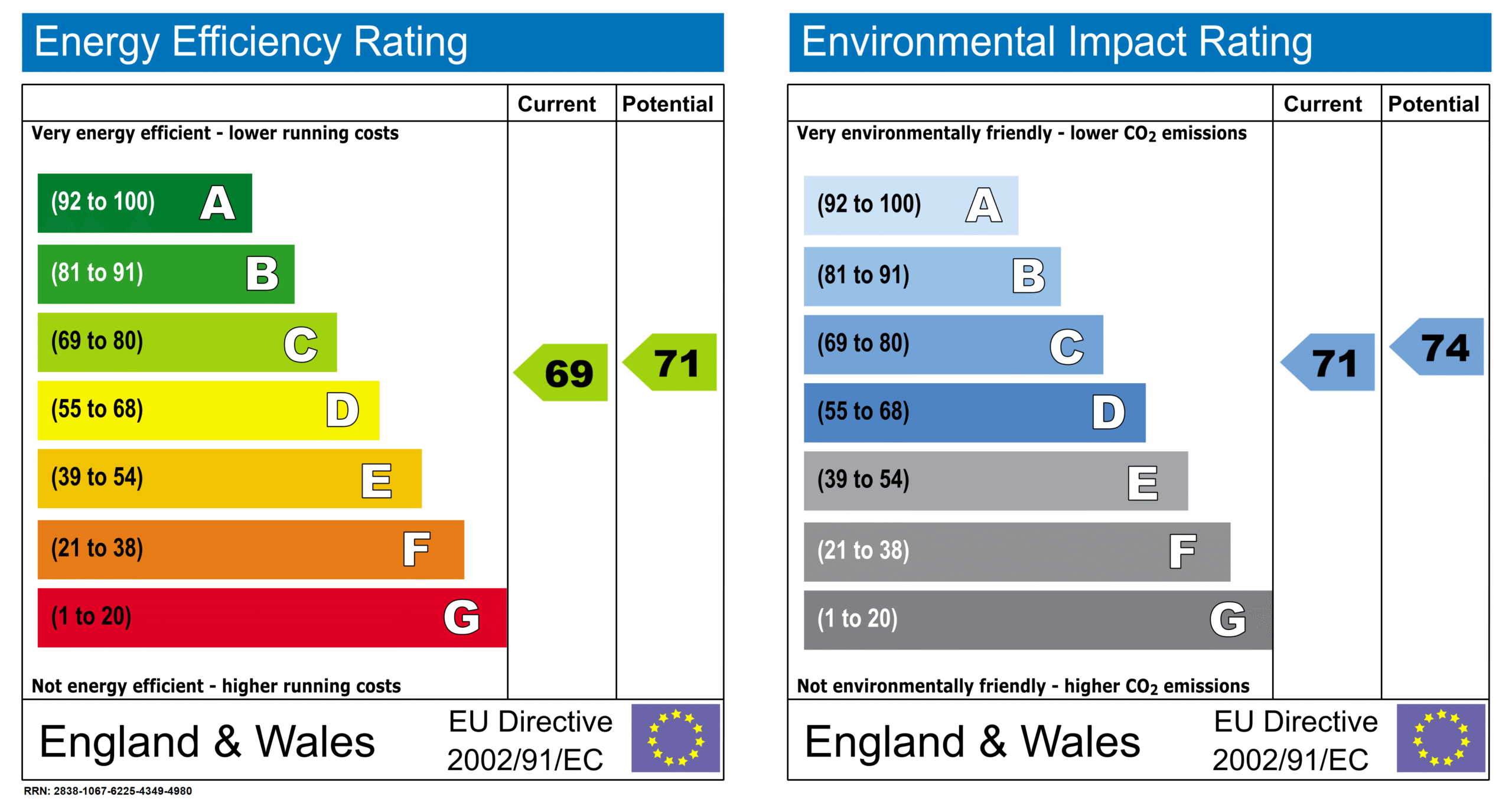

In today’s environmentally conscious world, understanding how energy-efficient your home is isn’t just useful—it’s essential. Whether you’re a homeowner looking to sell, a landlord renting out property, or simply someone wanting to cut down on energy bills, an Energy Performance Certificate (EPC) is a tool you shouldn’t overlook. As we enter 2025, EPCs are more relevant than ever, playing a central role in shaping greener homes and smarter energy choices.

What is an Energy Performance Certificate?
An EPC is essentially a report that tells you how energy-efficient a building is. It uses a rating system from A (most efficient) to G (least efficient), similar to the energy labels you find on appliances. It also provides practical advice on how to improve the building’s energy use, along with estimated cost savings if improvements are made.
Issued by accredited domestic energy assessors, these certificates are valid for 10 years and are legally required in the UK when selling, renting, or building a property.
Why EPCs Are More Important Than Ever
Back in the day, EPCs were just another piece of paperwork for property transactions. But with rising energy costs and increasing awareness around climate change, they’ve become a crucial indicator of how sustainable and cost-effective a home is.
In fact, new government regulations in 2025 are putting more pressure on property owners to bring their buildings up to at least an E rating—or risk penalties. Tenants are also more informed and are increasingly searching for energy-efficient homes that offer comfort without sky-high utility bills.

What Does an EPC Cover?
When an energy assessor visits your home, they’ll examine:
- Insulation levels (roof, walls, floors)
- Heating systems and boiler efficiency
- Windows (double or single glazing)
- Lighting (energy-saving bulbs vs. traditional)
- Building materials and structure
This data is fed into software that calculates the energy efficiency score and creates the EPC report.
But an EPC isn’t just about grades—it’s about real, actionable steps. You’ll receive a list of recommended improvements, such as:
- Installing cavity wall or loft insulation
- Upgrading your boiler
- Switching to LED lighting
- Fitting double-glazed windows
These suggestions are paired with cost estimates and potential annual savings, making it easier to prioritize upgrades.
EPCs and the Property Market
If you’re selling or renting out a property, a high EPC rating can make it more appealing—and even increase its value. Buyers and tenants are now factoring in energy efficiency alongside location and square footage. A well-rated home not only promises lower bills but also a smaller carbon footprint, which is a big plus for eco-conscious consumers.
For landlords, meeting EPC minimum standards isn’t optional anymore. Properties with an EPC rating below E may be legally unlettable unless registered with an exemption. As a result, many landlords are now proactively making improvements to stay compliant and competitive.

EPCs for Homeowners: More Than Just a Requirement
Even if you’re not planning to move anytime soon, having an up-to-date EPC can guide your home improvement efforts. Want to make your home more comfortable in winter without racking up a massive heating bill? Your EPC might suggest better insulation or smarter heating controls. It’s a roadmap for both immediate and long-term energy savings.
Looking Ahead
With the UK government aiming for net-zero carbon emissions by 2050, it’s likely that EPC standards will become stricter in the coming years. Future reforms could include mandatory higher ratings or incentives for achieving top-tier energy efficiency.
The bottom line? EPCs are no longer just a formality—they’re a valuable tool for anyone who owns, rents, or manages property.
Final Thoughts
Energy Performance Certificates might not be glamorous, but they’re incredibly powerful. They help you understand your home better, save on energy costs, and do your bit for the environment. In 2025 and beyond, EPCs will only become more relevant as we collectively strive toward a cleaner, more efficient future.
So whether you’re upgrading a cozy flat or managing a portfolio of rental properties, your journey to smarter energy use starts with a simple document—your EPC.